A golden male sculpure holding a violin in its hand and a sculpture of a horse with an imperial male person sitting on it.

Travel info

The 23rd IWA International Conference on Diffuse Pollution and Eutrophication (DIPCON 2026) will be held at TU Wien, Vienna, Austria, from November 24 – 27, 2026. TU Wien and its main building is located at Karlsplatz, at the edge of the city center.

Technische Universität Wien
Karlsplatz 13, 1040 Wien

How to reach us

From airport to Wien-Mitte 

Vienna International Airport is only 22 km/13 miles away and offers both domestic and international flights. There are frequent CAT (City Airport Train) trains from the airport to Wien-Mitte station. Alternatively, Schnellbahn S7 runs daily operated by ÖBB.

From train stations to Karlsplatz

  • From Wien Mitte, take the subway line U4 for Hütteldorf to Karlsplatz.
  • From Wien Westbahnhof, take the subway line U3 for Simmering to Volkstheater, and from here, U2 for Karlsplatz (end station).
  • From Wien Hauptbahnhof, take the subway line U1 for Leopoldau to Karlsplatz.
  • From Wien Praterstern, take the subway line U1 for Reumannplatz to Karlsplatz.

For train times and enquiries go to ÖBB.

Public transportation in Vienna (subway/bus/tram/train)

  • Unterground U1, U2, U4 (Station Karlsplatz)
  • Tram 1 and 62
  • Bus 4A and 59A or Badner Bahn

For more information see Wiener Linien.

  • Getting from Vienna International Airport to the City Centre

    Vienna airport is well-connected to the city by public transport.

    • S-Bahn/Regionalbahn (S7, R7, direction Wolkersdorf) and ÖBB trains: The most budget-friendly option. The S7/R7 train takes around 25 minutes to the station Wien Mitte and runs every 20-30 min. ÖBB trains (mostly railjet) connect to Vienna’s main train station (Hauptbahnhof). Buy a ticket at one of the ÖBB ticket machines at the airport train station, or from the ÖBB ticket counter in the airport. Note that if you already own a Vienna city ticket for public transport, you only need to buy a ticket from Vienna airport to “Schwechat” (this is the city boundary). Don’t forget to get this extra ticket, else it can result in a fine.
    • City Airport Train (CAT): This express train runs every 30 minutes, taking you directly to Wien Mitte station in 16 minutes.
    • Buses: Vienna Airport Lines operate buses that connect the airport with key locations in the city, such as Schwedenplatz and Westbahnhof.


  • Getting around in the city

    Vienna’s public transport system is highly efficient, covering the entire city. The Vienna Convention Bureau (VCB) offers an overview on how to get around in Vienna.

    • Tickets: Tickets are valid everywhere within the city boundaries for all forms of public transport and can be purchased at ticket machines, stations, at the front end of trams, from the bus driver, or via the WienMobil app. Having a valid ticket with you is checked regularly, both inside public transport, and at the exits of metro and train stations.
    • U-Bahn (Metro): Five subway lines (U1, U2, U3, U4, and U6) operate from early morning until midnight, with extended services on weekends and public holidays.
    • Trams: A scenic and convenient way to travel, especially within the city center.
    • Buses: Frequent and reliable service, particularly in areas not covered by the tram or metro.
    • S-Bahn / ÖBB (Trains): Connect the larger stations of the city, often connecting the city to villages/towns beyond Vienna’s boundaries.
  • Hotels and accomodation

    Around 400 Viennese hotels and guesthouses await you. The Vienna Convention Bureau (VCB) offers a list of accomodations in Vienna.

    Contact the team of Vienna Hotels & Info. Monday to Friday, from 9.00 am to 5.00 pm (except public holidays).

    • by phone: +43-1-24 555
    • by live-chat at vienna.info (9.00 am to 4.00 pm)
    • by email: info@wien.info
    • by post: WienTourismus, Invalidenstrasse 6, A-1030 Vienna
  • Good to know

    • Vienna is one of the safest cities in Europe, with low crime rates. However, as in any major city, be mindful of your belongings, especially in crowded areas like public transport or tourist attractions.
    • Vienna is and has always been a very international city and most people speak English. When using public escalators, stand on the right side to allow others to pass on the left (people take this seriously).
    • In restaurants/cafés/for taxi fares, rounding up the bill (e.g., adding 5-10% tip) is common. Simply state the total amount you’d like to pay when handing over money.
    • Austrians are known for their love of coffee houses as an oasis of ‘Gemütlichkeit’ and their many types of coffee.
    • Vienna’s tap water comes from alpine springs and is of excellent quality. Feel safe to drink it directly from the tap.
    • Most places accept credit and debit cards, but it’s a good idea to carry some cash for smaller establishments or markets.
    • Emergency numbers: Dial 133 for the police, 144 for medical emergencies, and 122 for the fire department.

Vienna calling

Besides the congress there is always time to enjoy and discover Vienna

Vienna is the capital of Austria and a vibrant metropolis with a rich cultural and architectural history. Known for its magnificent palaces, museums, and opera houses, Vienna is also a major hub for art, music, and culinary delights. Surrounded by picturesque parks and gardens, the city offers numerous opportunities for entertainment, shopping, and exploration.

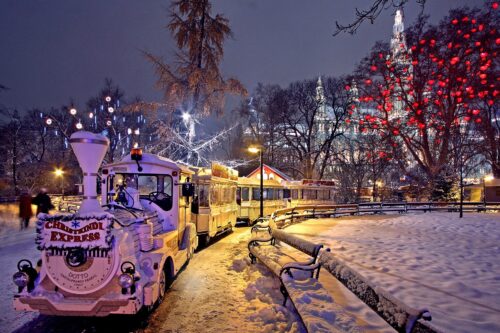
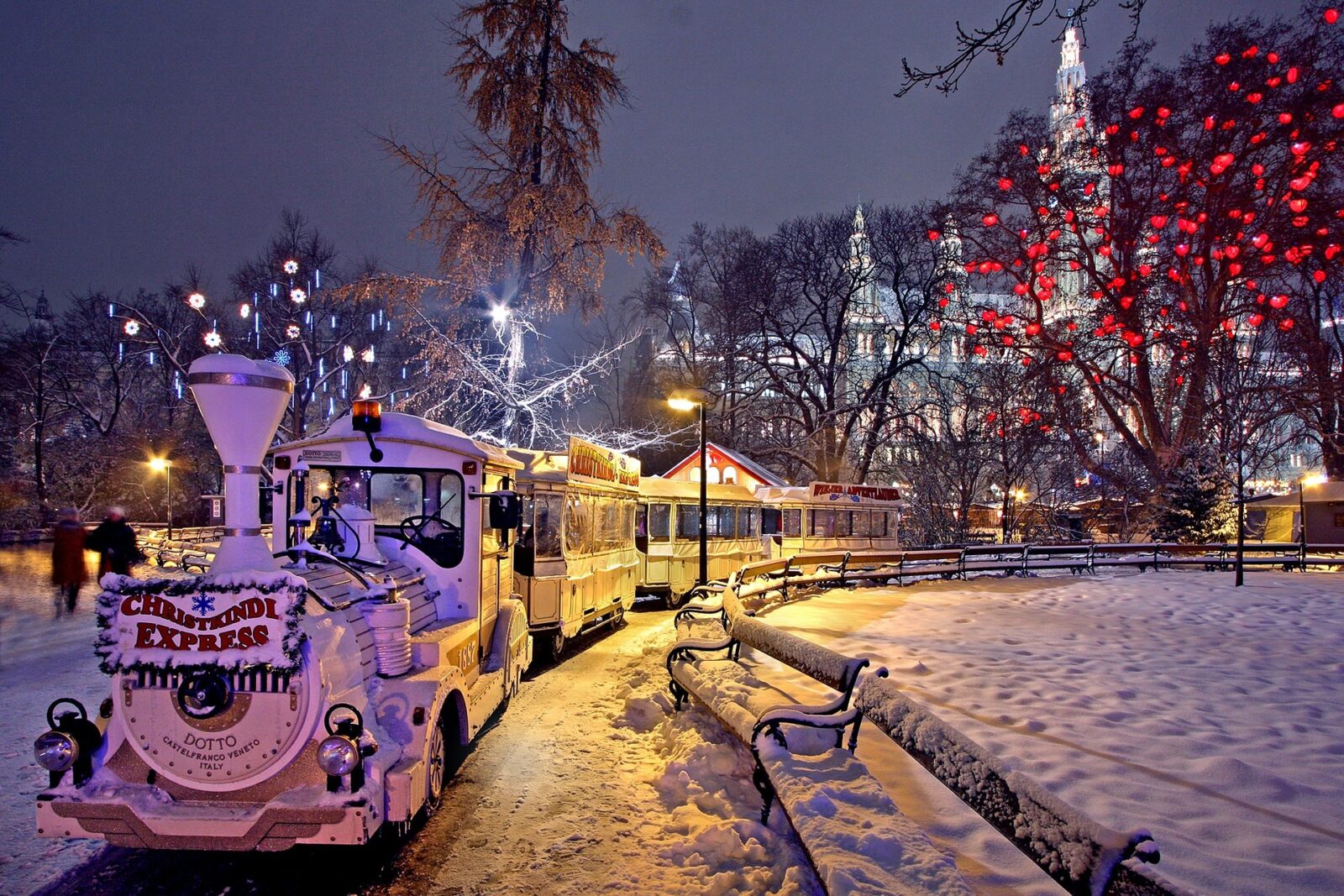
The conference takes place at the start of the festive season; participants will also have the opportunity to experience Vienna’s world-renowned Christmas markets. Immerse yourself in the scent of roasted chestnuts and the steam rising from a cup of warm mulled wine; admire the glitter of lights and candles and discover delicate crafts from local artisans.
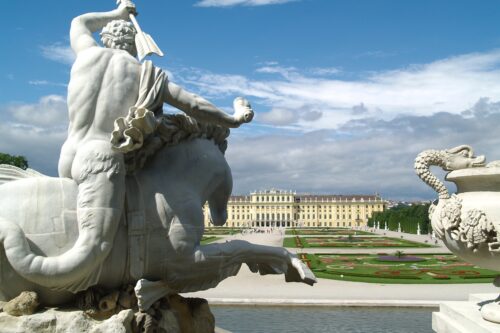
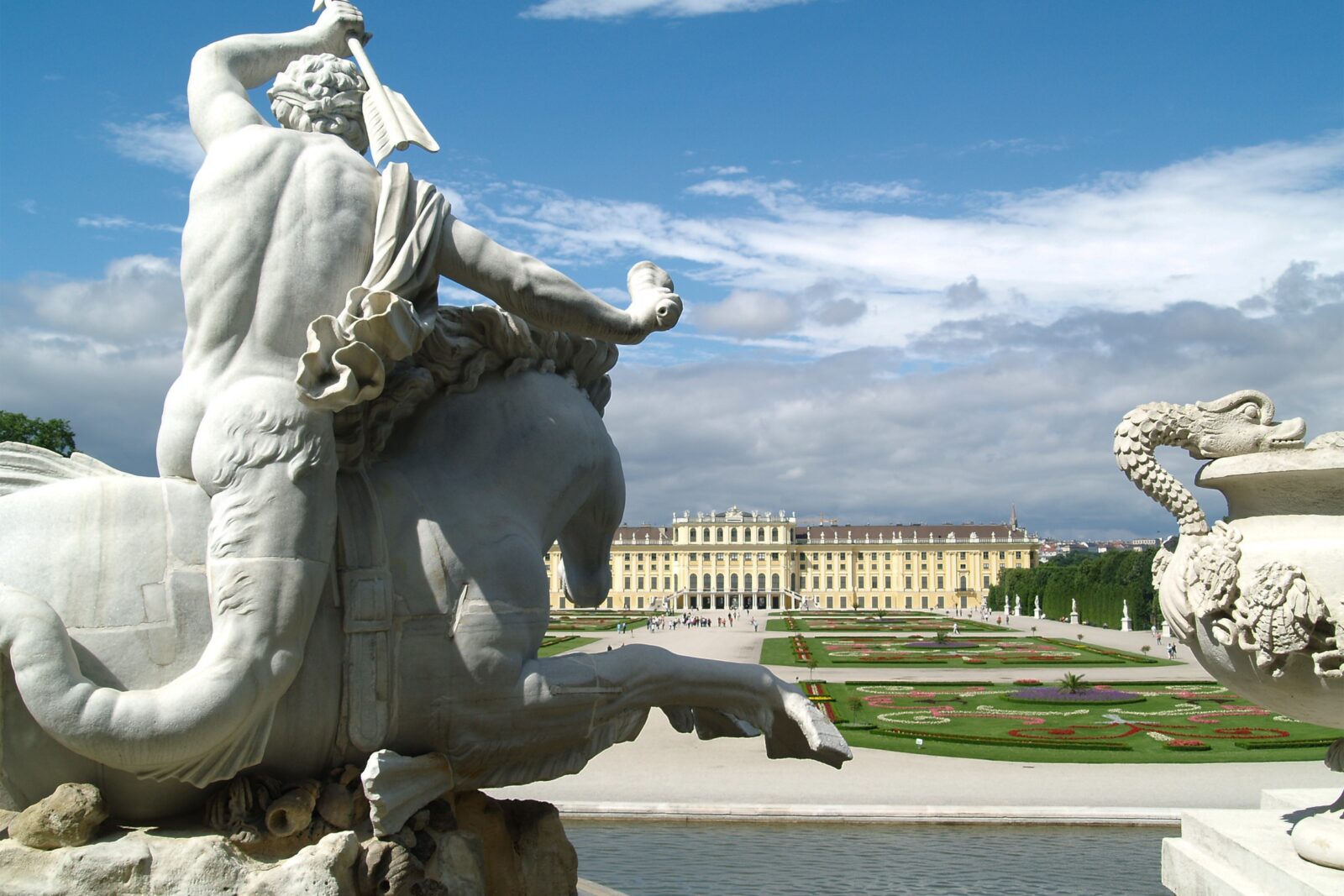
Schloss Schönbrunn | Schönbrunn Palace
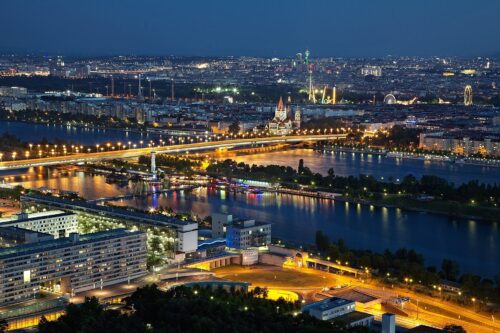
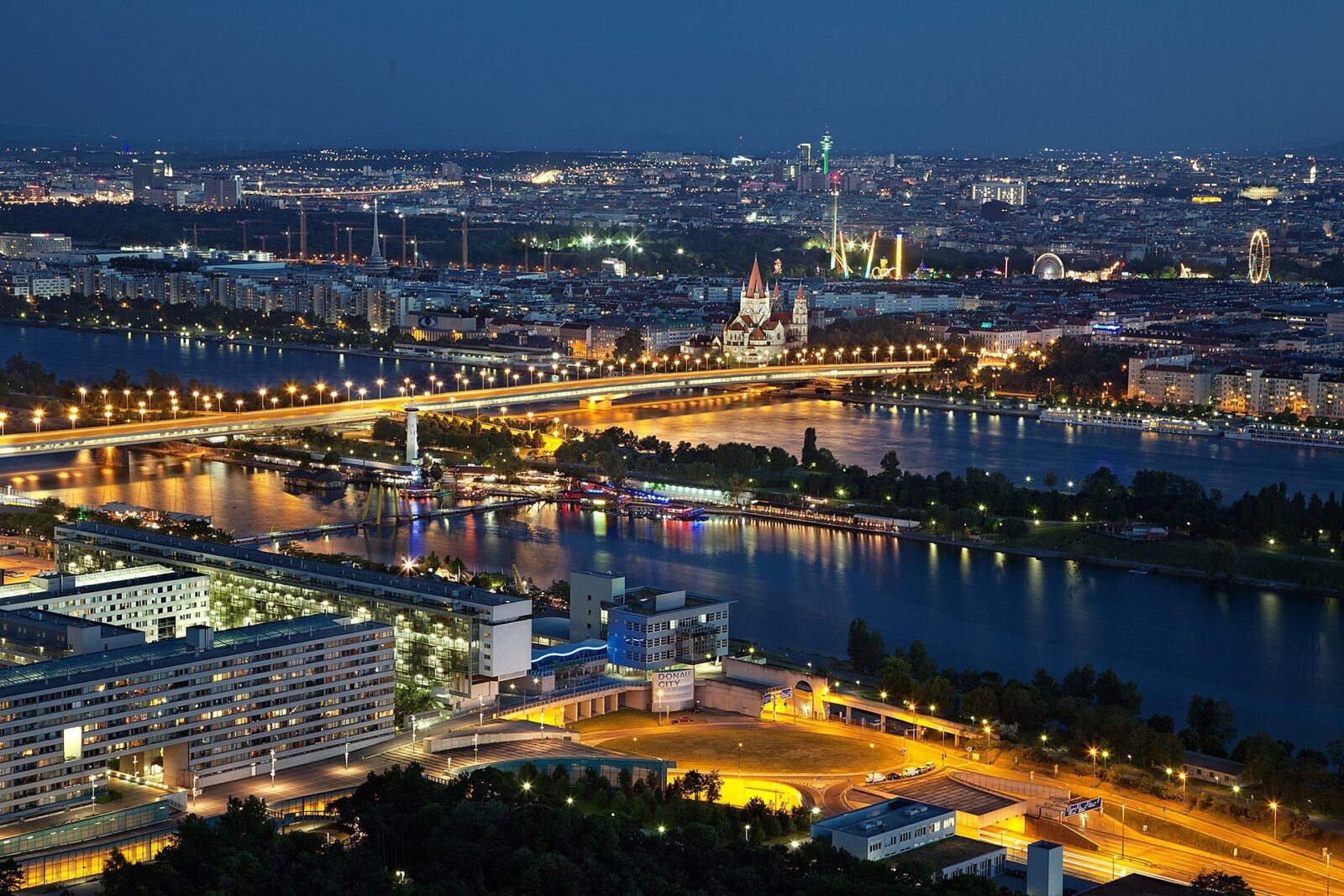
Danube and Vienna at night
Rathauspark Wien | City Hall park
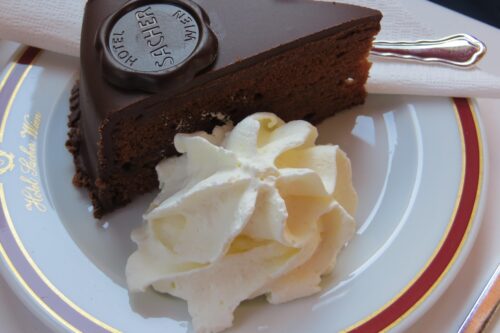
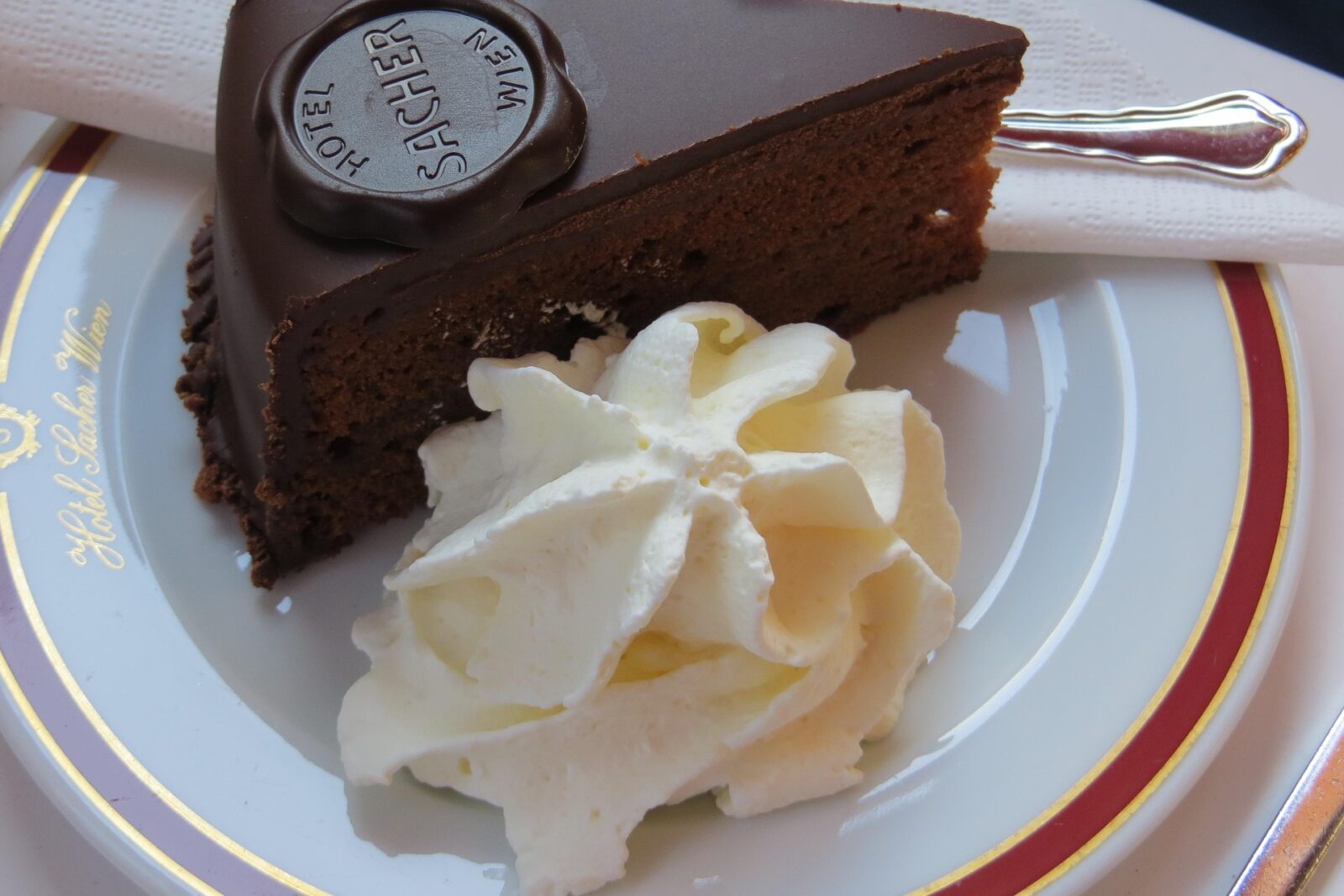
Sacher Torte | Sacher cake